

Product-specific planning
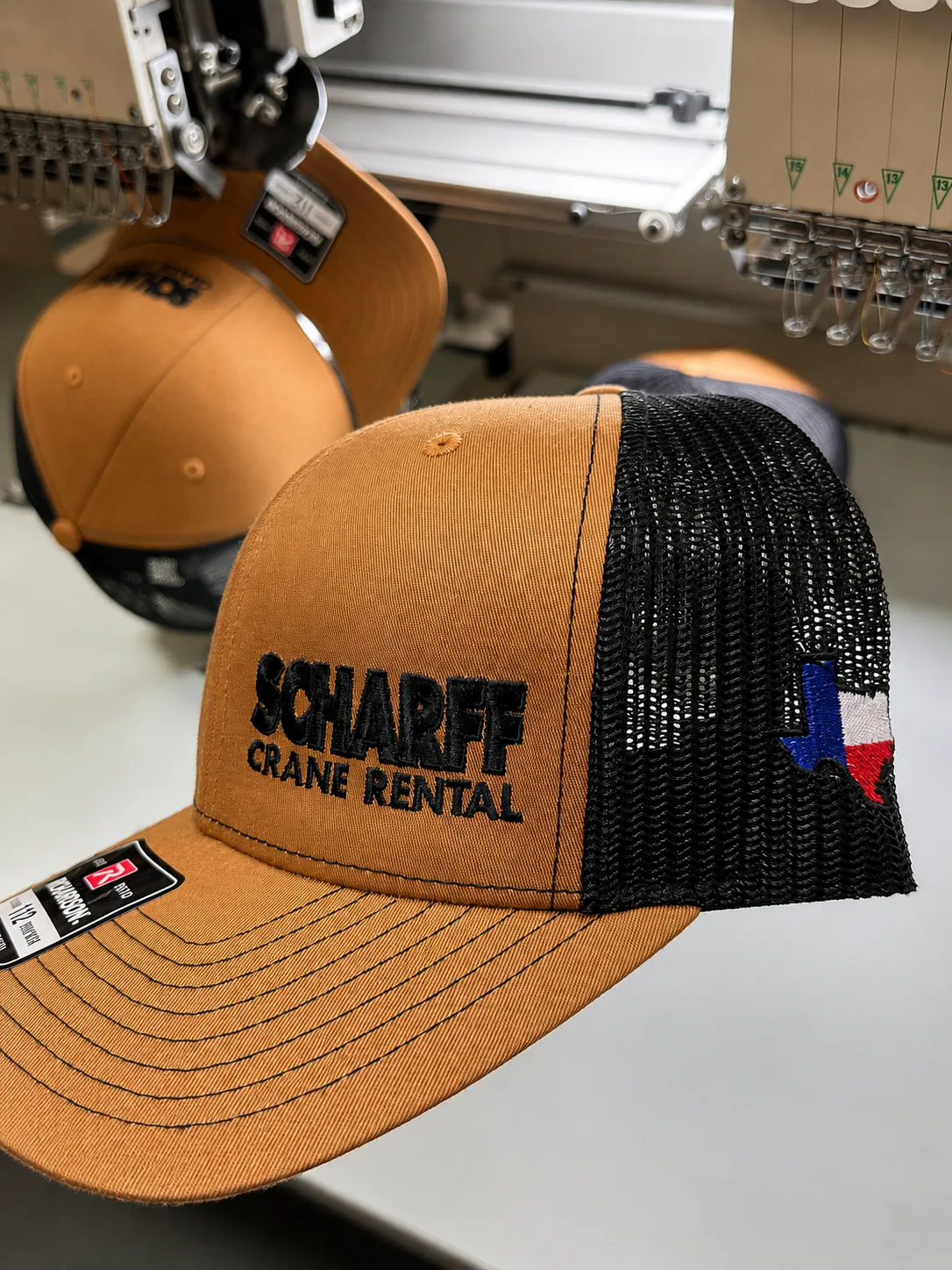
Garment construction, hooping, backing, placement, and available sewing area shape how the artwork is built.
Embroidery production
Artwork is translated into production-ready stitch instructions with the garment, construction, size, thread, backing, placement, and repeat use in mind.
Inside the operation
Selected views from the equipment, finishing, inventory, and workflows connected to this work.
Overview
Digitizing determines how an embroidery machine builds a design: stitch types and direction, underlay, density, sequencing, trims, color changes, and compensation for the way thread and fabric move.
The same logo may need different files for a cap, polo, jacket, bag, patch, or alternate finished size. Keeping digitizing connected to in-house embroidery lets the file be evaluated against the product and corrected around the actual sew-out.
Capabilities & scope
Garment construction, hooping, backing, placement, and available sewing area shape how the artwork is built.
Underlay, density, stitch direction, pathing, pull compensation, trims, and color sequence are planned as one production file.
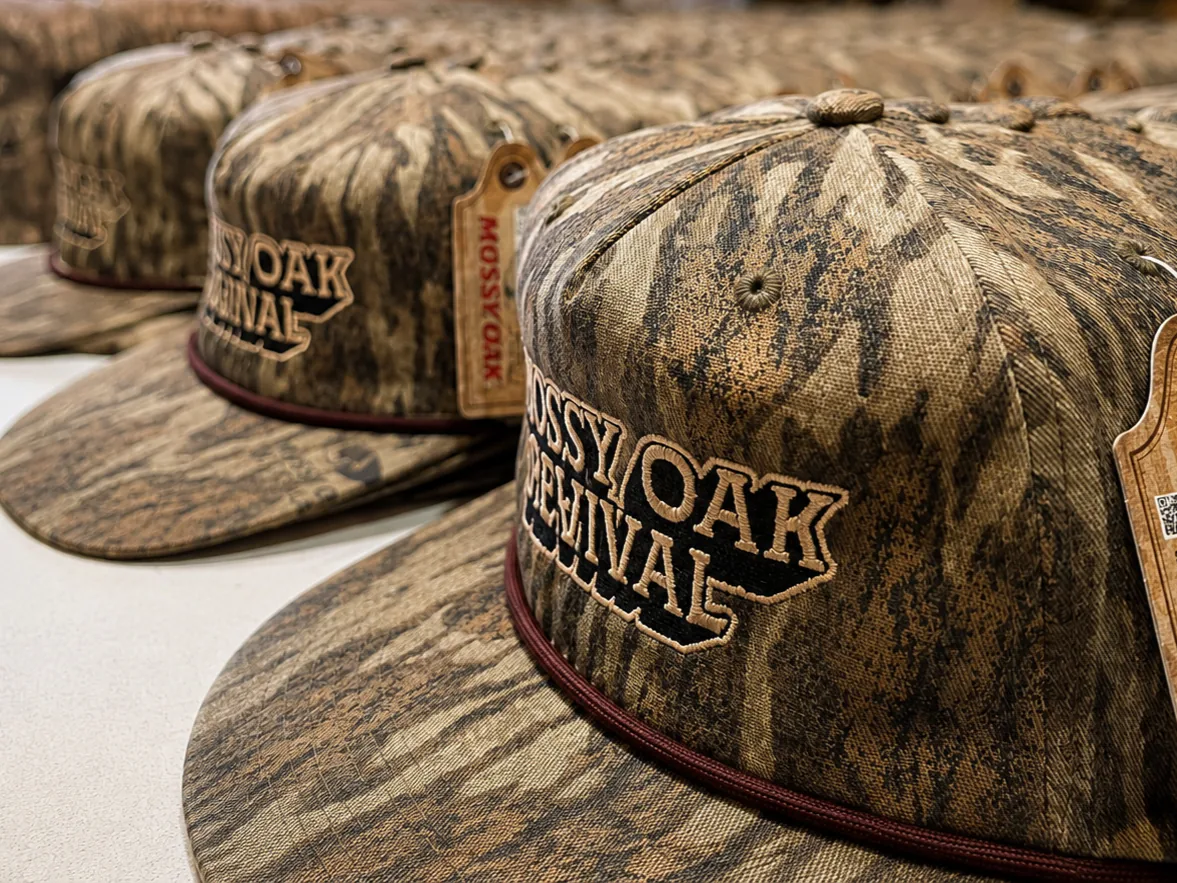
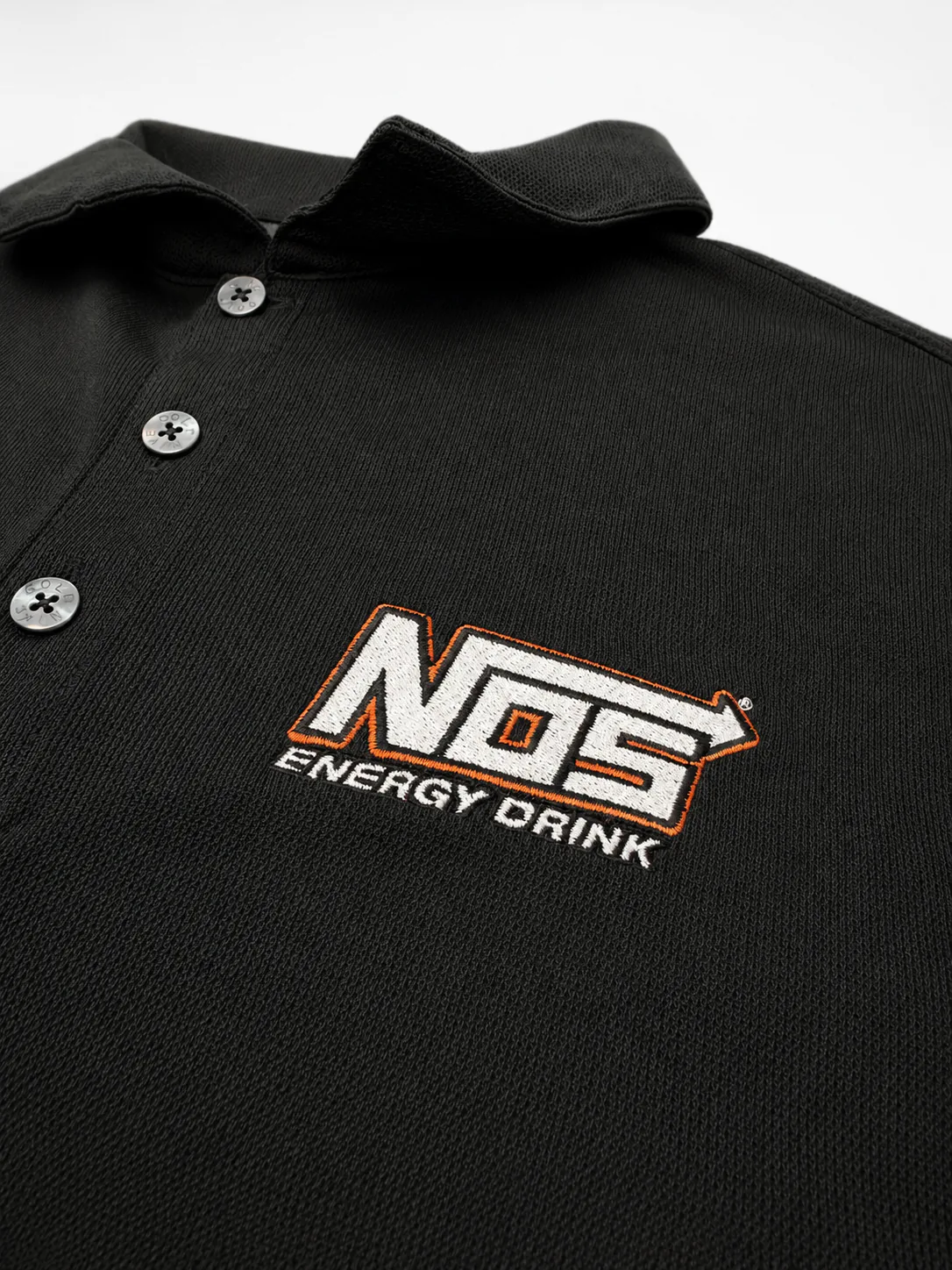
Headwear, left-chest, full-back, and other placements may require separate files even when the source artwork is the same.
Approved files, thread colors, finished sizes, and placement standards can be documented for consistent recurring production.
Operating model
Review the artwork, product, placement, finished size, thread requirements, and intended use.
Build the stitch sequence and production settings for that application.
Evaluate the sew-out and make adjustments where the material or design requires them.
Control the approved file and related specifications for production and repeat orders.
Requirements & controls
Customer fit
A partner that stays ahead